|
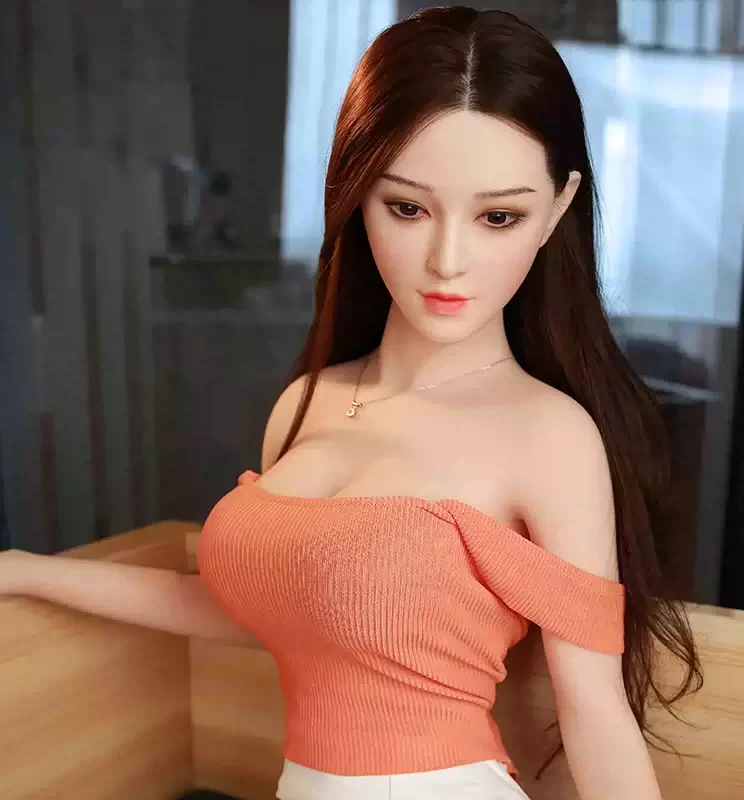
In recent years, the world of sex dolls has undergone a remarkable transformation. With advancements in technology and design, realistic female sex dolls have become more lifelike than ever before. This article delves into the evolution of realistic female sex dolls, exploring their impact on intimacy and the future of this fascinating industry. The concept of sex dolls dates back to the early 20th century when they were primarily used for medical purposes. However, it wasn't until the late 20th century that the industry began to cater to the adult market. Initially, these dolls were made of rubber or vinyl and lacked the intricate details that we see in today's realistic female sex dolls. The evolution of realistic female sex dolls can be attributed to several factors. Firstly, advancements in materials have allowed for the creation of dolls with more natural-looking skin and hair. High-quality silicone has become the standard material for these dolls, providing a soft and supple texture that closely mimics human skin. Secondly, the development of 3D printing technology has revolutionized the manufacturing process. This technology allows for the creation of highly detailed and customized dolls, as designers can now print intricate features such as freckles, moles, and even individual hairs. Moreover, the integration of AI and robotics has brought a new dimension to realistic female sex dolls. These dolls can now respond to touch, mimic facial expressions, and even engage in conversation. While this may seem like science fiction, these advancements have made the experience of interacting with a sex doll more realistic and enjoyable. The impact of realistic female sex dolls on intimacy is a topic of much debate. Proponents argue that these dolls can provide companionship and emotional support to individuals who may be struggling with loneliness or social anxiety. For some, owning a realistic female sex doll can be a way to explore their desires and fantasies in a safe and private environment. On the other hand, critics argue that these dolls can lead to a decline in real-life relationships and contribute to the objectification of women. They believe that the use of sex dolls can create unrealistic expectations and negatively impact an individual's ability to form genuine connections with others. Despite the controversy, the demand for realistic female sex dolls continues to grow. This can be attributed to several factors, including the increasing number of single individuals, the rise of online dating, and the desire for a more personalized and interactive experience. Looking ahead, the future of realistic female sex dolls seems promising. As technology continues to advance, we can expect to see even more sophisticated designs and features. Here are a few trends that are likely to shape the future of this industry: 1. Increased customization: With the help of AI and 3D printing, future sex dolls will be able to offer a wider range of customization options, allowing individuals to create a doll that closely resembles their ideal partner. 2. Enhanced AI capabilities: As AI technology becomes more advanced, sex dolls will be able to better mimic human behavior and emotions, making the experience more realistic and engaging. 3. Integration with virtual reality: Combining realistic female sex dolls with virtual reality could create a fully immersive experience, allowing individuals to explore their desires in a safe and private environment. In conclusion, the evolution of realistic female sex dolls has brought about a new era of intimacy and self-exploration. While the industry remains controversial, it is clear that advancements in technology will continue to shape the future of sex dolls. As we move forward, it is important to consider the potential benefits and drawbacks of this fascinating technology and its impact on society. |









Showing 1–32 of 41 results