
|
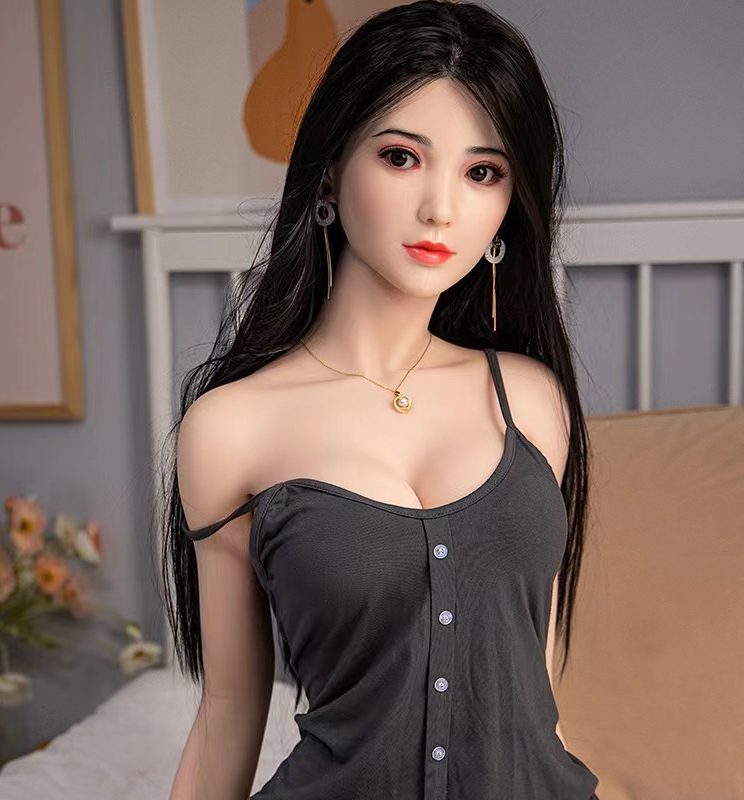
Introduction: The world of sex dolls has been a topic of controversy and fascination for years. With advancements in technology, these dolls have become increasingly realistic, blurring the line between fantasy and reality. This article aims to explore the real-life sex dolls industry, discussing their origins, purpose, and the ethical debates surrounding them. 1. Origins of the Real-Life Sex Dolls: The concept of sex dolls dates back to the early 20th century when they were primarily used for medical purposes. However, it wasn't until the late 20th century that the industry began to cater to the adult market. The first commercially available sex dolls were introduced in the 1960s, and since then, the industry has seen significant growth. 2. The Purpose of Real-Life Sex Dolls: Real-life sex dolls serve various purposes for different individuals. Some people use them for companionship, while others find them useful for exploring their sexual preferences. Here are a few reasons why people choose to own a real-life sex doll: a. Companionship: For those who are lonely or have difficulty forming relationships, a sex doll can provide emotional support and companionship. They can engage in conversations, share interests, and offer comfort. b. Sexual Exploration: Sex dolls allow individuals to explore their sexual preferences and desires in a safe and controlled environment. They can experiment with different positions and techniques without the fear of judgment or rejection. c. Therapy: Some therapists use sex dolls as part of their treatment for individuals struggling with sexual dysfunctions or trauma. The dolls can help patients overcome their fears and develop a healthier sexual life. 3. The Ethical Debate: The real-life sex dolls industry is not without its critics. Ethical debates surrounding the use of these dolls often revolve around the following points: a. Objectification: Critics argue that sex dolls objectify women and contribute to the degradation of women's rights. They believe that using a doll for sexual purposes is a form of exploitation. b. Relationship Replacement: Some people argue that relying on a sex doll for companionship can hinder the development of genuine relationships. They believe that human connection is essential for emotional well-being. c. Impact on Society: Critics also raise concerns about the potential impact of the sex dolls industry on society, including the normalization of objectification and the potential for increased rates of infidelity. 4. The Future of the Real-Life Sex Dolls Industry: Despite the ethical debates, the real-life sex dolls industry continues to grow. As technology advances, dolls are becoming more realistic, with features like lifelike skin, hair, and even artificial intelligence. The future of the industry may see even more innovative designs and features. Conclusion: The real-life sex dolls industry is a complex and controversial topic. While some people find them to be a useful tool for companionship, sexual exploration, and therapy, others argue that they contribute to the objectification of women and hinder genuine human connections. As the industry continues to evolve, it is essential to consider the ethical implications and strive for a balanced approach that respects the rights and well-being of all individuals involved. |








Showing 1–32 of 41 results