|
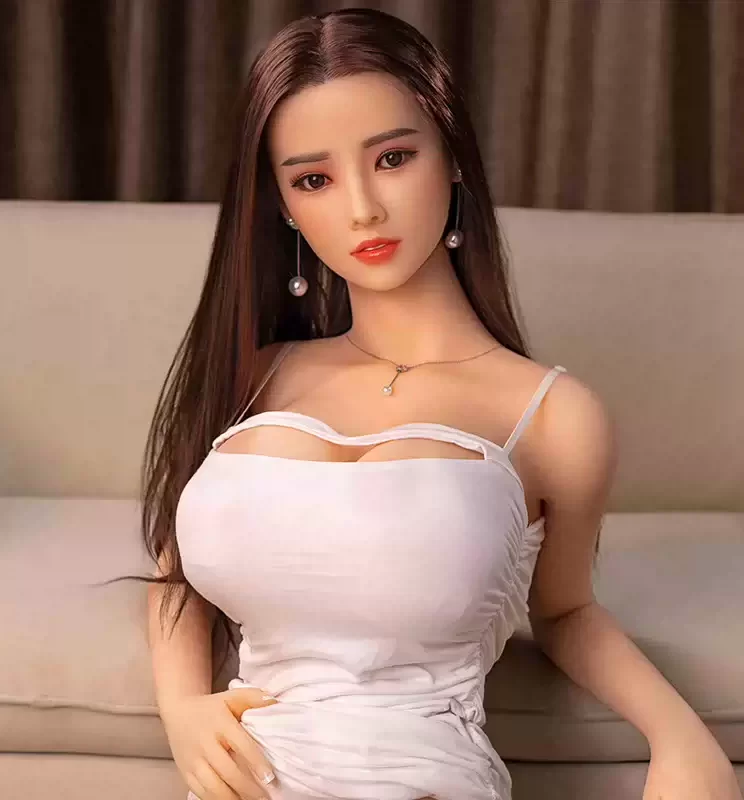
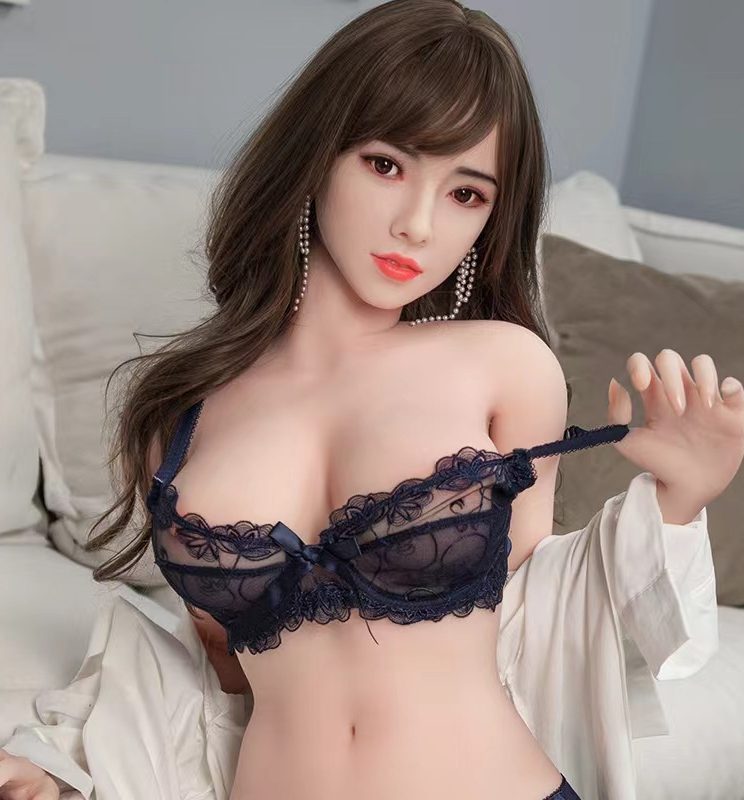
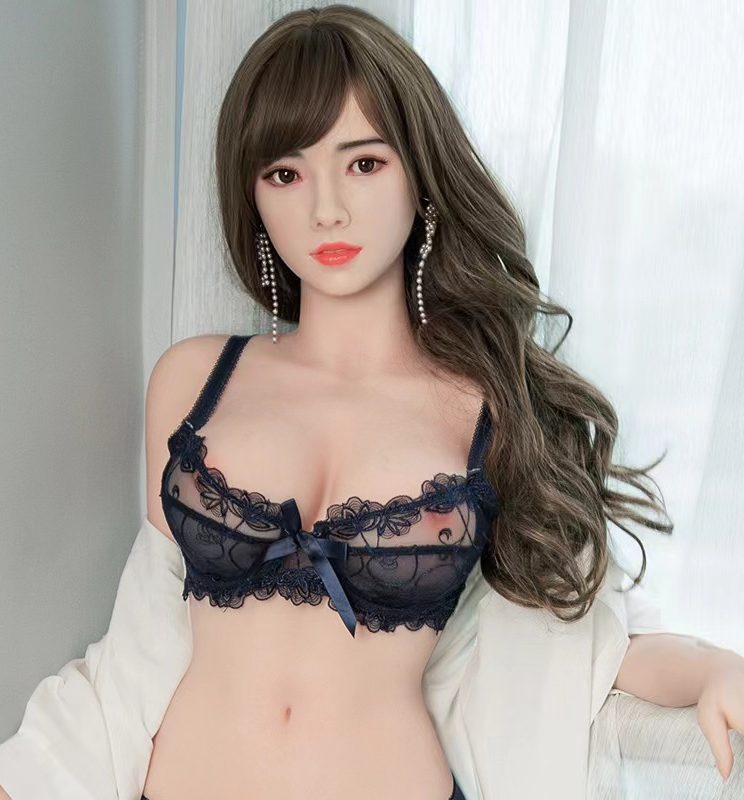
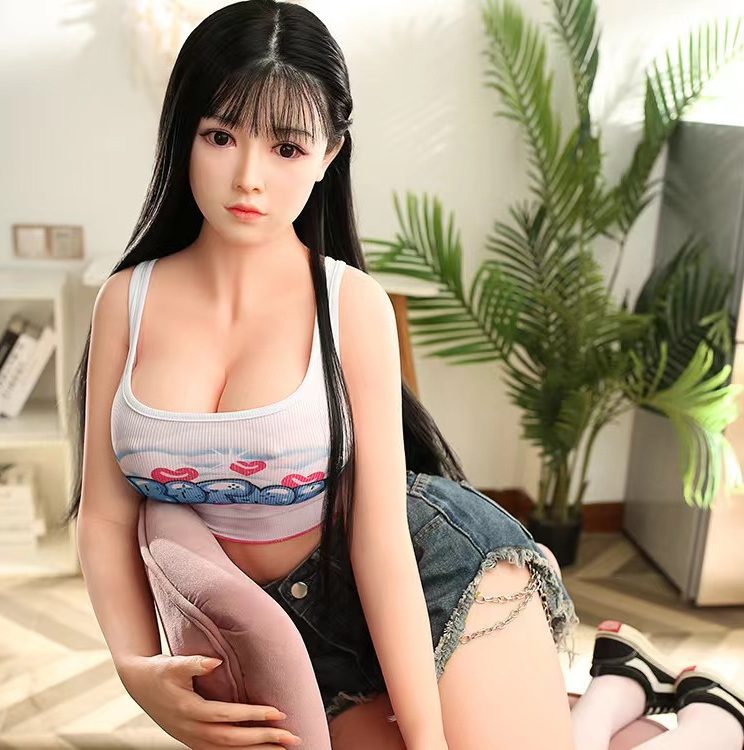
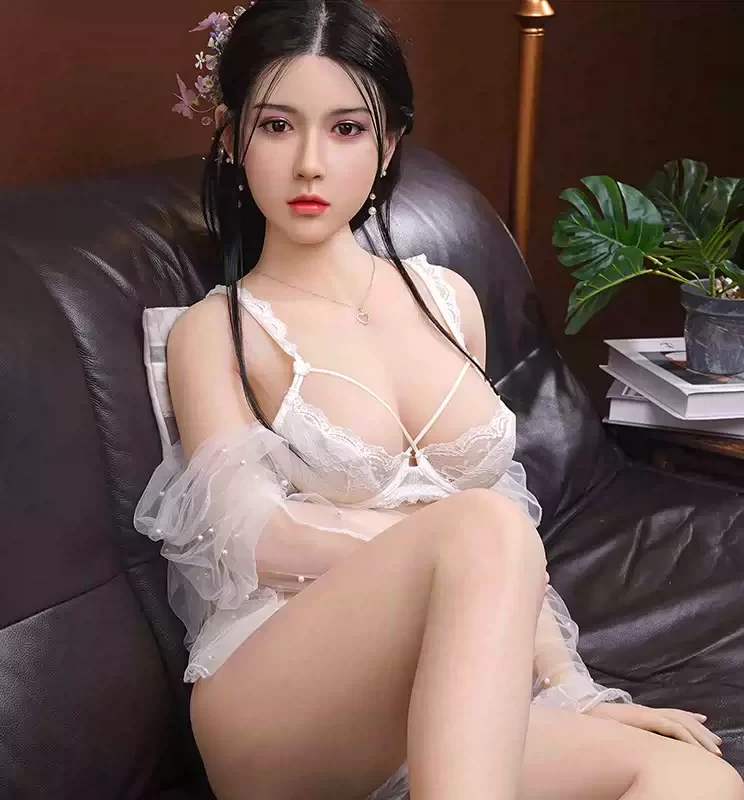
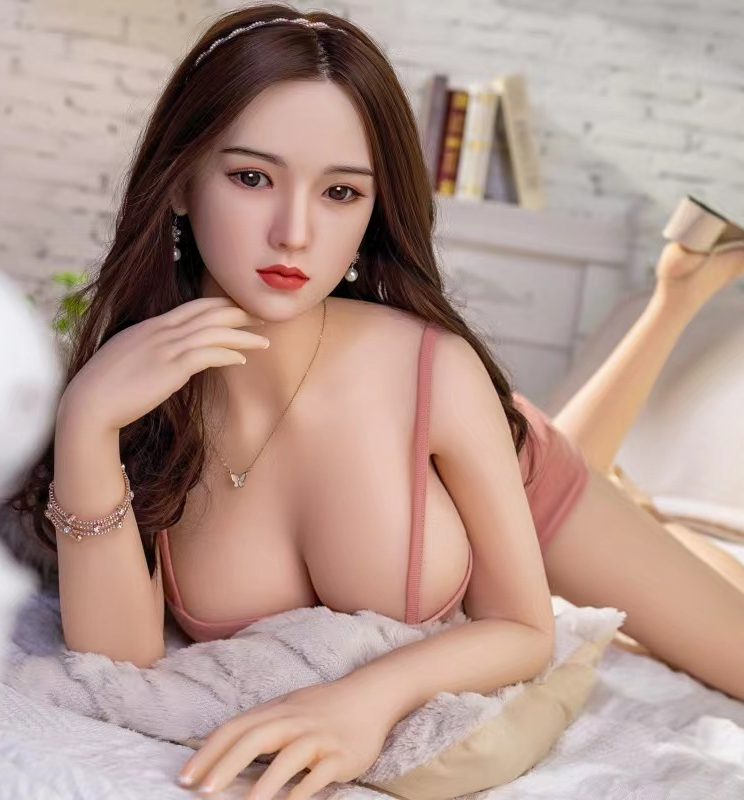
In recent years, the Indian sex doll industry has experienced a significant boom. These dolls, which are designed to look like real-life Indian women, have become increasingly popular both within the country and abroad. However, their popularity has also brought about a plethora of controversies and ethical concerns. This article delves into the evolution of Indian sex dolls, their impact on society, and the ongoing debates surrounding them. The history of Indian sex dolls can be traced back to the late 20th century. Initially, these dolls were primarily imported from countries like China and Thailand. As demand grew, Indian manufacturers began to produce their own versions, incorporating cultural elements and local customs. Today, there are numerous Indian sex doll manufacturers, offering a wide range of dolls that cater to different preferences. One of the key factors contributing to the rise of Indian sex dolls is the country's rich cultural heritage and diverse beauty standards. India is known for its unique blend of traditions and modern influences, making it an ideal subject for sex dolls. These dolls often feature traditional Indian attire, such as sarees and salwar kameez, as well as hairstyles and makeup that reflect the nation's rich history. However, the growing popularity of Indian sex dolls has sparked various controversies. Critics argue that these dolls perpetuate harmful stereotypes and objectify women. They claim that the dolls promote the idea that women are solely objects of desire, which can have a negative impact on society's views of women. Proponents of Indian sex dolls, on the other hand, argue that they serve a legitimate purpose. They contend that these dolls can be used for sexual exploration, education, and even as companions for those who are unable to find a partner. Additionally, they believe that the dolls can provide a safe and consensual alternative to real-life interactions that may involve risks, such as the transmission of STDs. One of the main concerns surrounding Indian sex dolls is their potential impact on gender roles and societal values. Critics argue that the dolls could normalize the objectification of women and perpetuate harmful gender stereotypes. They also point out that the production of these dolls involves exploitation and abuse of women, both in India and other countries. Despite these concerns, the Indian sex doll industry continues to grow. As technology advances, the quality and realism of these dolls have improved significantly. Modern Indian sex dolls often feature lifelike skin texture, detailed facial expressions, and even customizable features, such as adjustable breasts and hips. In response to the ethical concerns, some manufacturers have taken steps to ensure that their production processes are sustainable and socially responsible. They have implemented fair labor practices, invested in local communities, and worked to raise awareness about the potential dangers of human trafficking and exploitation. The debate over Indian sex dolls is likely to continue for years to come. As society becomes more aware of the potential impact of these dolls on gender roles and societal values, it is crucial to approach the issue with sensitivity and consideration. While Indian sex dolls can provide a unique experience for some individuals, it is essential to acknowledge the ethical implications and work towards a future where gender equality and respect for women are at the forefront of societal values. |







Showing 1–32 of 41 results