|
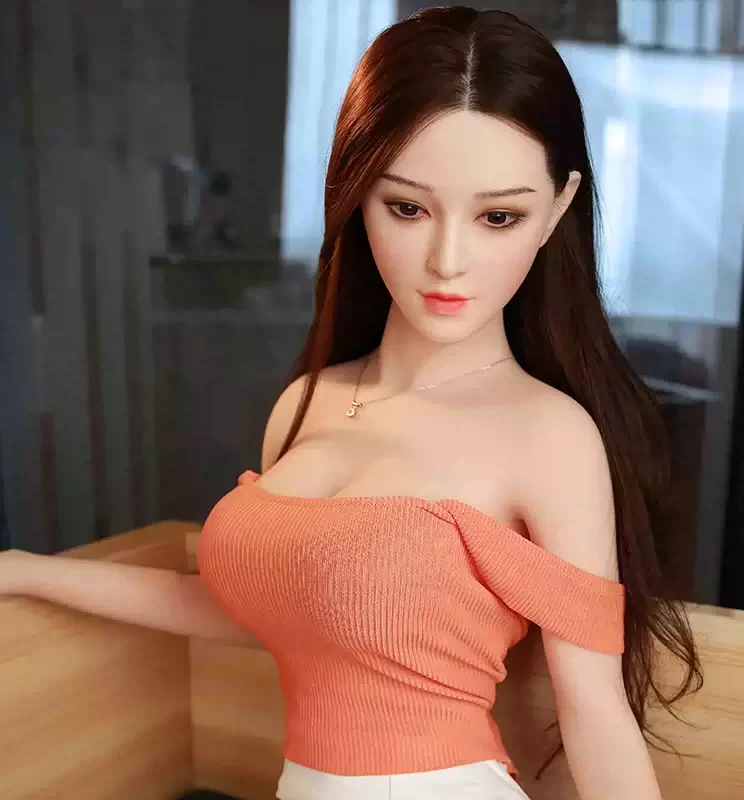
In recent years, a controversial trend has emerged in certain cultures: the marriage of sex dolls. This practice has sparked intense debate, with some arguing that it is a form of companionship, while others view it as a disturbing and unhealthy behavior. This article aims to explore the concept of sex doll marriage, its origins, and the ethical considerations surrounding it. Sex doll marriage, also known as "robotic wife" or "sex doll partner," involves individuals forming emotional and sometimes sexual relationships with life-like sex dolls. These dolls are designed to look, talk, and even move like humans, making them appear more lifelike and appealing to potential buyers. The popularity of sex dolls has surged in the past decade, with various manufacturers producing high-quality, customizable dolls that cater to diverse preferences. The origins of sex doll marriage can be traced back to the early 20th century when Japanese companies began producing adult dolls. However, it was not until the late 1990s that the concept gained widespread attention with the advent of more realistic and interactive dolls. With the advancement of technology, sex dolls have become increasingly sophisticated, capable of mimicking human behavior and emotions. Proponents of sex doll marriage argue that it provides companionship and emotional support for individuals who may be unable to find a human partner. For some, the dolls serve as a substitute for love and intimacy, filling a void in their lives. Moreover, sex dolls can offer a sense of security and control, as they are predictable and do not require emotional investment. In this sense, sex doll marriage can be seen as a form of self-expression and personal freedom. On the other hand, critics of sex doll marriage raise several ethical concerns. They argue that the practice objectifies women and reinforces harmful stereotypes about gender and relationships. Furthermore, critics claim that sex doll marriage can lead to unhealthy relationships, as individuals may become overly dependent on the dolls, neglecting their social and emotional needs. Additionally, some experts argue that the dolls may create unrealistic expectations about human relationships, making it difficult for individuals to form genuine connections with others. One of the most pressing concerns surrounding sex doll marriage is the potential for psychological issues. Individuals who become excessively reliant on sex dolls may experience feelings of isolation, depression, and anxiety. In some cases, the dolls may even lead to a decrease in social skills and the ability to form healthy relationships with real people. Another significant issue is the potential for abuse. Some individuals may use sex dolls to engage in harmful behaviors, such as non-consensual sexual activity or exploitation. This raises ethical questions about the moral boundaries of human-like robots and the responsibility of manufacturers and consumers to ensure that the dolls are used responsibly. In conclusion, the trend of sex doll marriage is a controversial and complex issue that raises numerous ethical considerations. While some argue that sex dolls can provide companionship and emotional support, critics warn about the potential for objectification, unhealthy relationships, and psychological issues. As technology continues to advance, it is crucial to address these concerns and promote responsible use of sex dolls to ensure the well-being of individuals and society. |








Showing 1–32 of 41 results