|
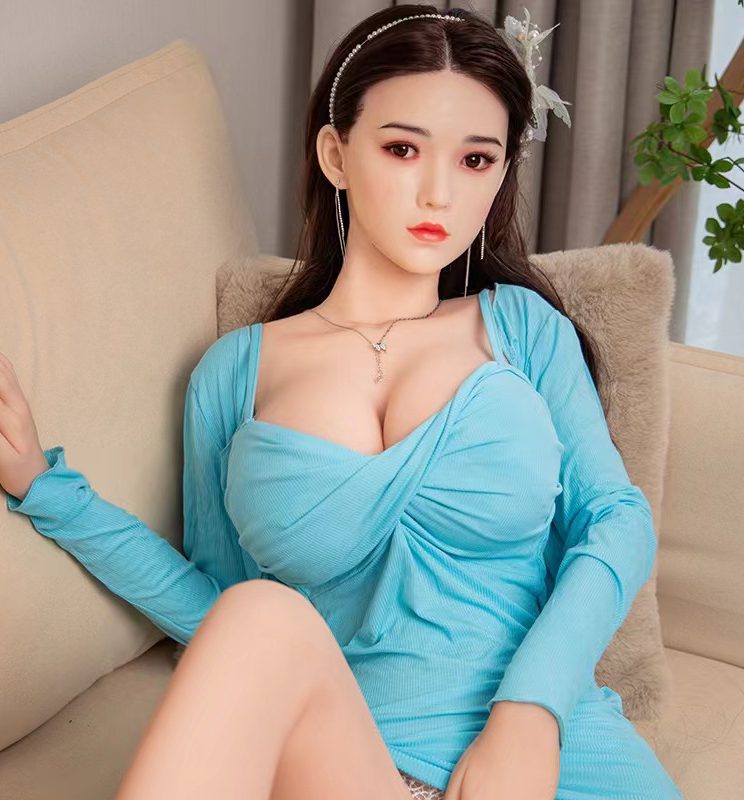
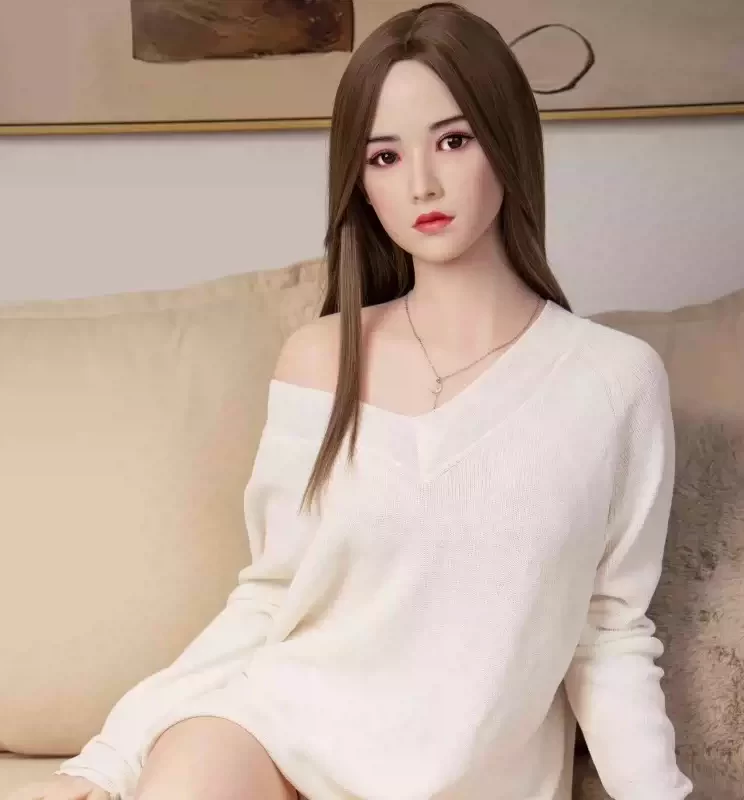
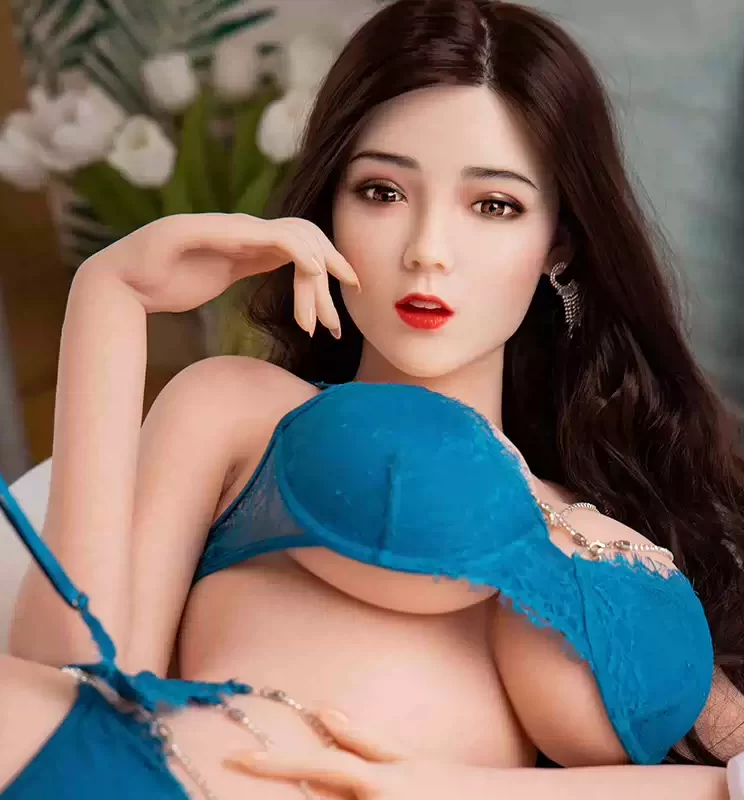
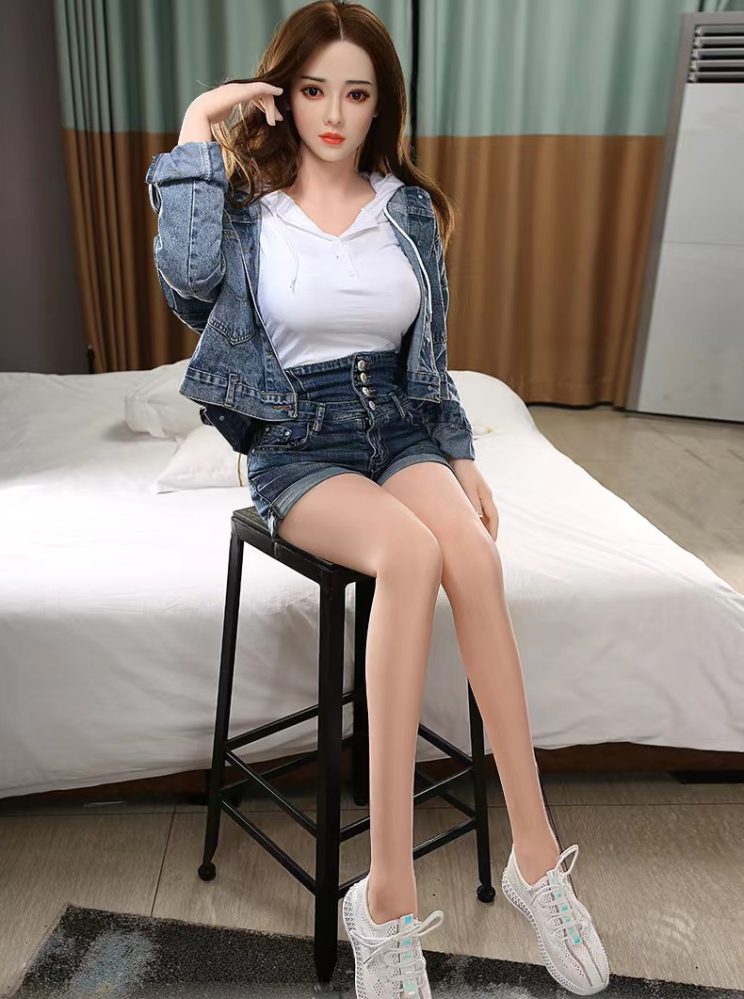
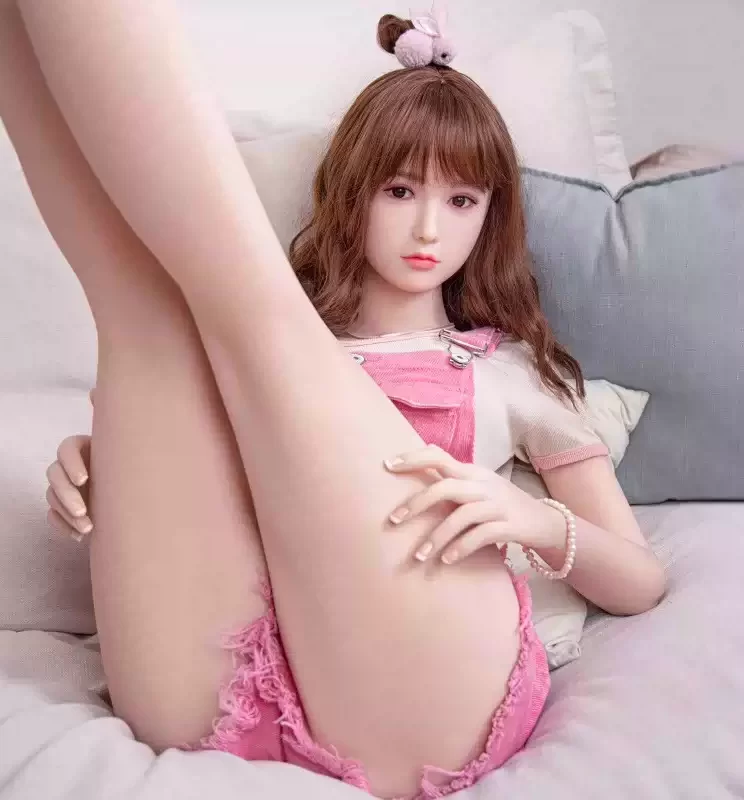
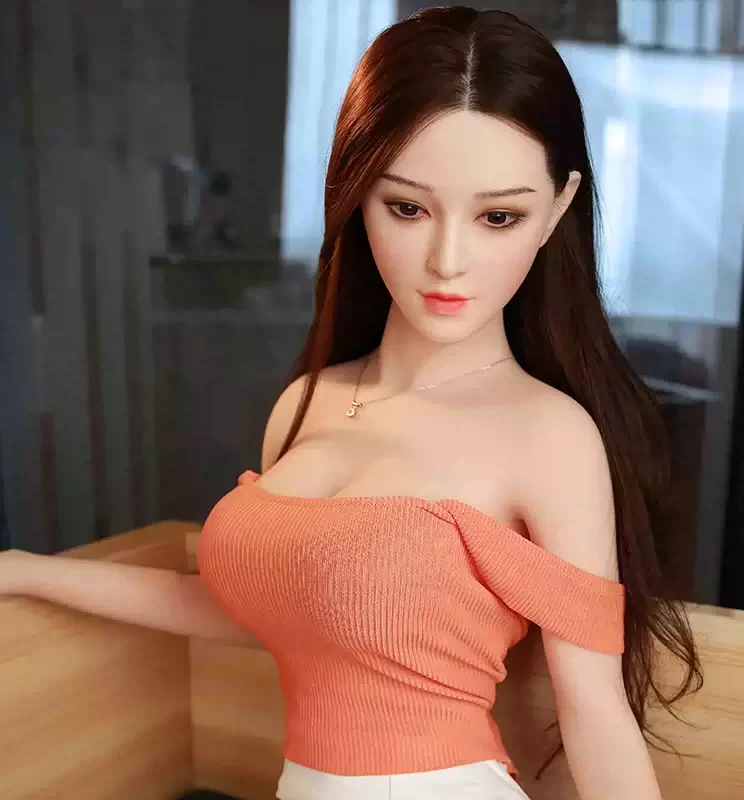
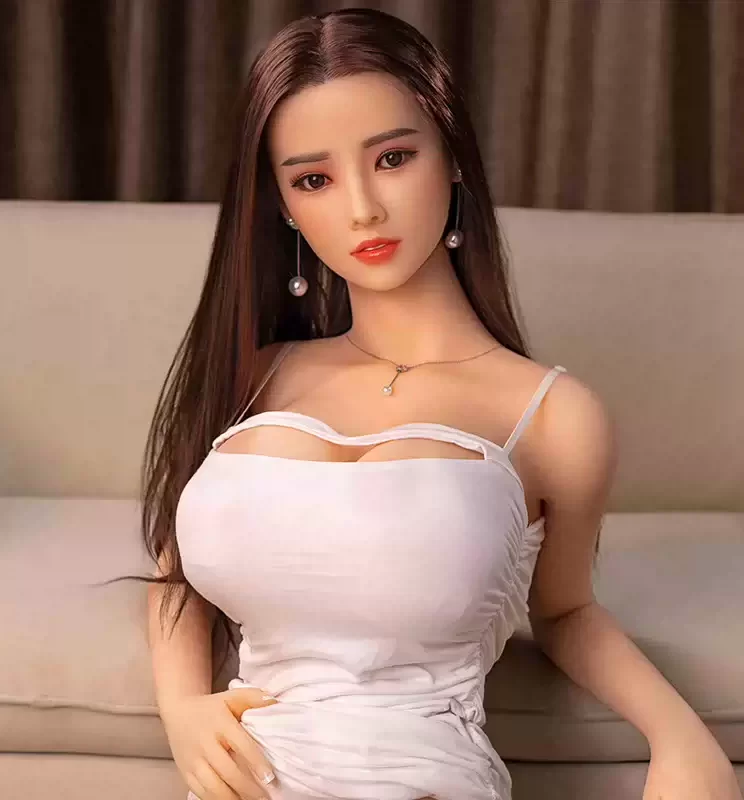
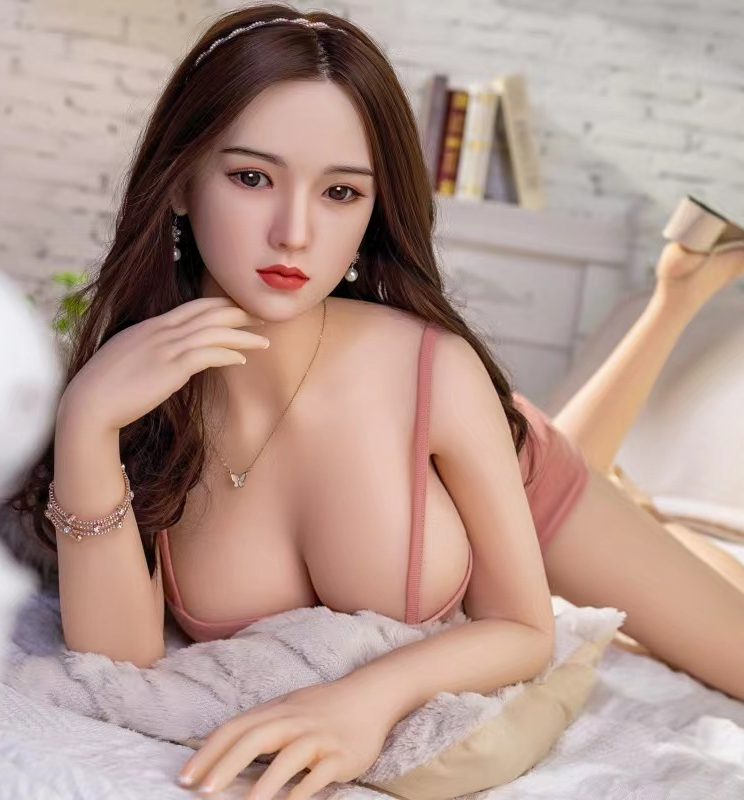
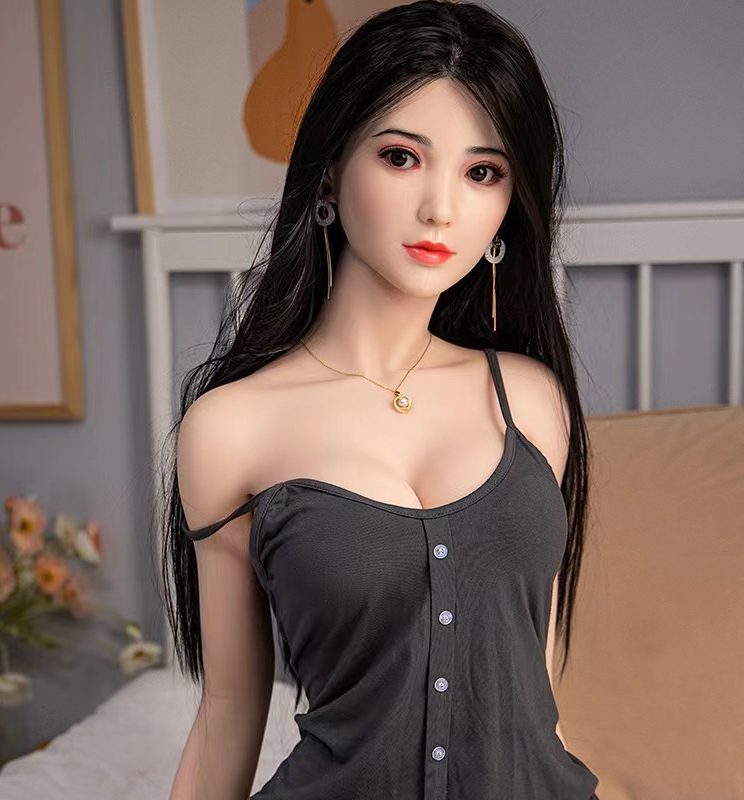
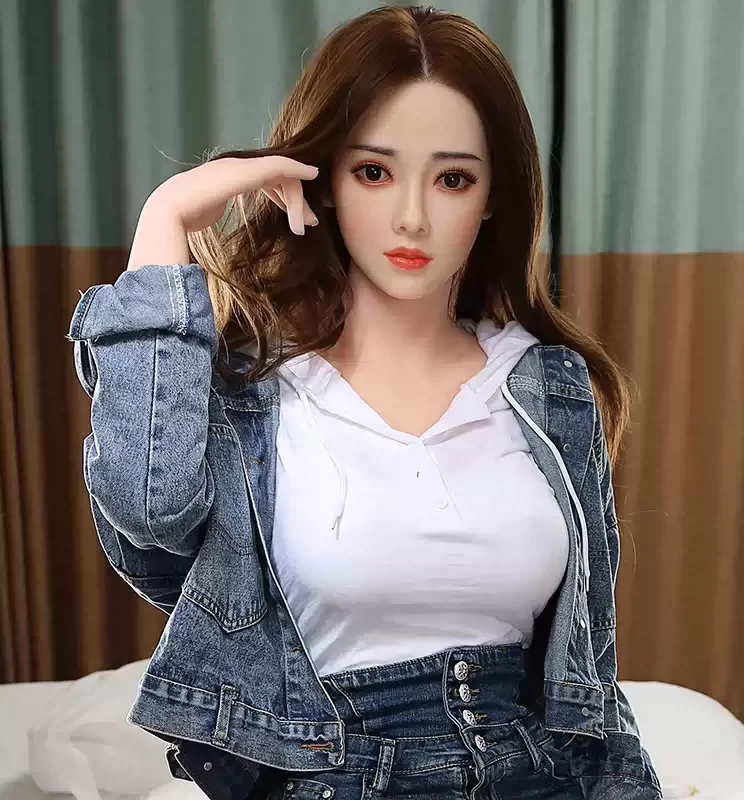
Introduction: In recent years, humanoid technology has made significant strides, and one of the most remarkable advancements is the creation of real love dolls. These life-like dolls have sparked a debate among ethicalists, technologists, and the general public. This article aims to explore the origins, features, and implications of real love dolls, providing a comprehensive overview of this new frontier in humanoid technology. Origin and Evolution: The concept of love dolls dates back to the 16th century, when they were primarily used as companions for lonely individuals. Over time, these dolls have evolved, becoming more sophisticated and realistic. With the advent of modern technology, real love dolls have emerged, offering an unprecedented level of realism and interactivity. Features: Real love dolls are designed to mimic human features as closely as possible. They come with lifelike skin, hair, and facial expressions, allowing users to engage with them as if they were real people. These dolls are equipped with advanced sensors, enabling them to respond to touch, movement, and even voice commands. Some models even come with customizable features, such as adjustable height, weight, and skin tone. Materials and Construction: Real love dolls are typically made of high-quality materials, such as silicone and TPE (Thermoplastic Elastomer). These materials are chosen for their flexibility, durability, and ability to mimic human skin texture. The construction process involves meticulous attention to detail, ensuring that each doll is as realistic as possible. Ethical Considerations: The rise of real love dolls has raised several ethical concerns. Critics argue that these dolls could lead to the objectification of women and the devaluation of human relationships. Furthermore, some individuals worry that real love dolls may encourage addictive behavior and contribute to social isolation. Supporters, on the other hand, argue that real love dolls can offer companionship and support to those who may be struggling with loneliness or intimacy issues. They believe that these dolls can provide a safe, non-judgmental environment for individuals to explore their emotions and desires. Market and Consumer Reactions: The real love doll market is growing, with a diverse range of consumers. These dolls are popular among individuals with disabilities, those who are long-distance partners, or those who have difficulty forming and maintaining relationships. While the market is relatively small, it is expected to expand as the technology continues to advance. Legal and Regulatory Challenges: Real love dolls face legal and regulatory challenges in many countries. In some regions, they are considered illegal due to concerns over human rights and the potential for exploitation. However, as the technology becomes more sophisticated, the line between a doll and a human-like entity may become increasingly blurred, necessitating a reevaluation of existing laws and regulations. Conclusion: Real love dolls represent a new frontier in humanoid technology, offering both excitement and controversy. While the ethical concerns are significant, the potential benefits for individuals struggling with loneliness and intimacy issues cannot be ignored. As the technology continues to evolve, it will be crucial for society to address the challenges and regulations surrounding real love dolls to ensure that they are used responsibly and ethically. |







Showing 1–32 of 41 results