|
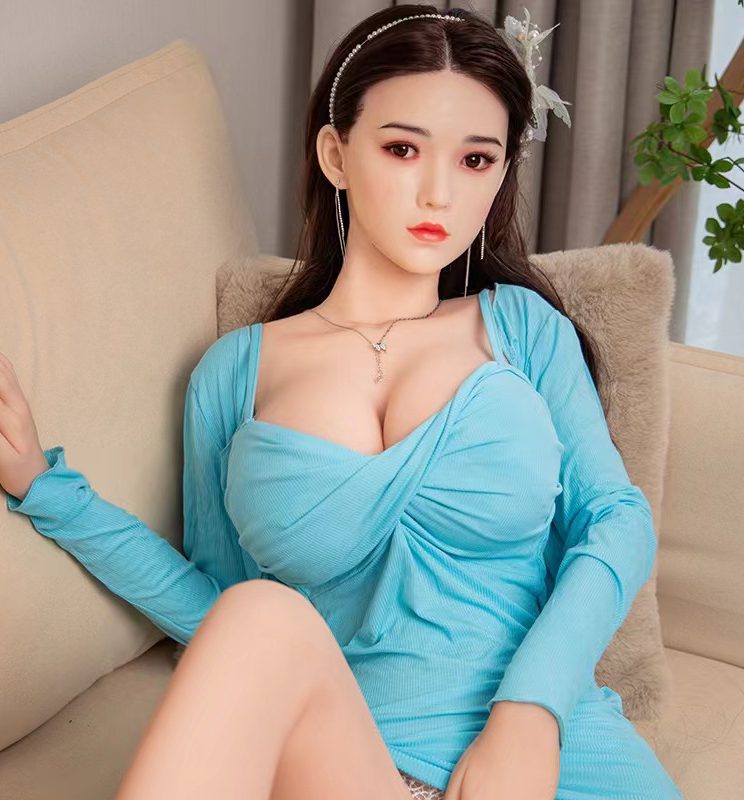
Introduction: In recent years, the concept of real life dolls has gained significant attention in the entertainment industry. These dolls, often referred to as life-like dolls or real dolls, are meticulously crafted to resemble human beings, capturing the essence of human appearance, expressions, and movements. This article aims to explore the fascinating world of real life dolls, their creation process, impact on society, and the ethical considerations surrounding them. 1. The Creation Process: The creation of real life dolls is a meticulous and intricate process that involves a team of skilled artisans. These dolls are typically made from high-quality materials such as silicone, porcelain, or other synthetic materials. The artisans carefully sculpt the dolls' faces, bodies, and limbs, ensuring that they closely resemble real human beings. Additionally, they pay close attention to the dolls' facial expressions, hair, and clothing, making them appear lifelike and realistic. The process of creating real life dolls involves several stages, including: - Design and concept development: Artists and designers collaborate to create the initial concept and design of the doll. - Sculpting and molding: Artisans use clay or other materials to sculpt the doll's face, body, and limbs, ensuring a realistic and lifelike appearance. - Casting and molding: The sculpted parts are then cast in silicone or other materials, creating a mold for mass production. - Assembly and finishing: The various parts of the doll are assembled, and any necessary finishing touches are applied, such as painting, applying makeup, and styling the hair. 2. Impact on Society: Real life dolls have had a significant impact on society, both positive and negative. On the positive side, these dolls have become popular among collectors and enthusiasts who appreciate their intricate craftsmanship and lifelike appearance. They also serve as a form of art and have been featured in various exhibitions and art installations. However, the use of real life dolls has also raised ethical concerns. Some argue that these dolls contribute to the objectification of women and perpetuate unrealistic beauty standards. Additionally, there are concerns about the potential for addiction and psychological issues among individuals who collect or use real life dolls excessively. 3. Ethical Considerations: The ethical implications of real life dolls are a subject of debate. While some argue that these dolls provide a unique form of expression and creativity, others believe that they can have harmful consequences for individuals and society. Here are some of the ethical considerations surrounding real life dolls: - Objectification of women: Critics argue that real life dolls contribute to the objectification of women, as they are often designed to emphasize physical attributes and conform to unrealistic beauty standards. - Addiction and psychological issues: There is concern that excessive use of real life dolls may lead to addiction or psychological issues, such as depression or social isolation. - Cultural and social impact: The widespread use of real life dolls may have a negative impact on cultural and social values, as it may promote a focus on appearance and materialism. Conclusion: The world of real life dolls is a fascinating and complex subject, offering both beauty and ethical challenges. While these dolls provide a unique form of expression and creativity, their potential for harm and negative impact on society cannot be ignored. As the industry continues to evolve, it is crucial to consider the ethical implications and strive for a balance between artistic expression and responsible use of these dolls. |









Showing 1–32 of 41 results